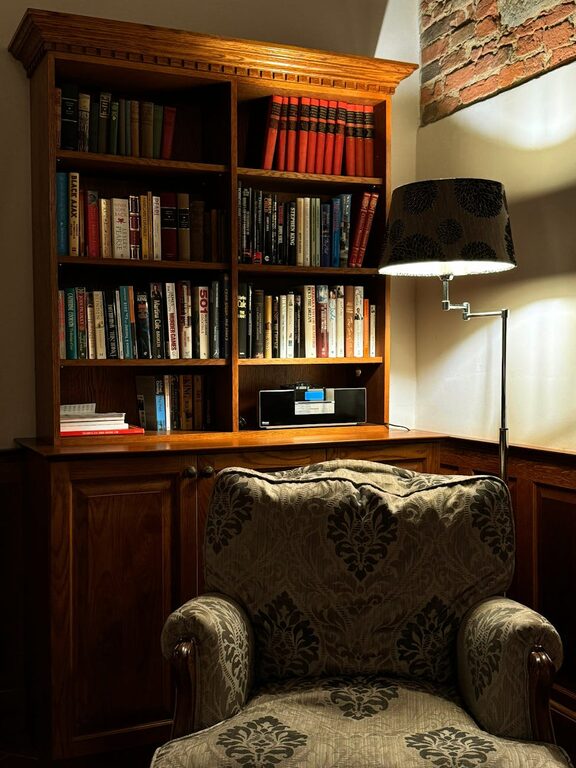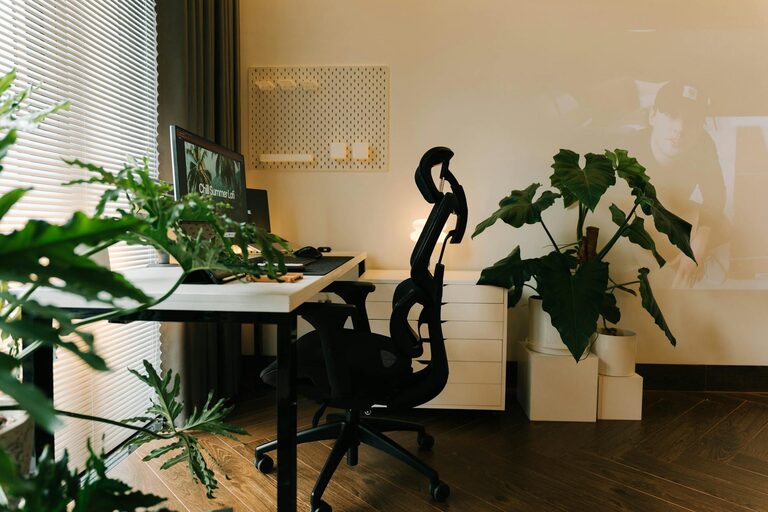
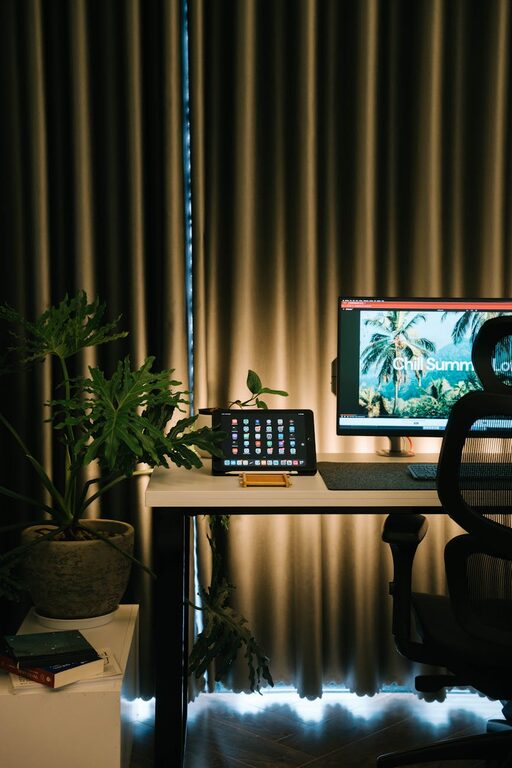
Creating a home office that is both relaxing and productive can significantly enhance your work experience, especially if you spend a majority of your day working remotely. A well-designed space encourages focus, reduces stress, and promotes overall well-being. Below are several tips to help you build an environment that supports both calmness and efficiency.
Choose the Right Location
Selecting the perfect spot for your home office is the foundation of a productive workspace.
– Quiet and Private: Ideally, pick a place away from high-traffic areas to minimize interruptions and distractions.
– Natural Light: Spaces near windows often help improve mood and energy levels. Try to position your desk to take advantage of sunlight without glare on your screen.
– Adequate Space: Ensure you have enough room for essential furniture and movement to avoid feeling cramped.
Invest in Comfortable and Functional Furniture
Your furniture directly affects your comfort and ability to focus throughout the day.
– Ergonomic Chair: Choose a chair that supports your back and encourages good posture. Adjustable height and lumbar support are important features.
– Desk Size: A desk with ample surface area allows you to keep your computer, paperwork, and office supplies organized without clutter.
– Footrests and Accessories: Small additions like footrests or monitor stands can make long work sessions more comfortable.
Optimize Lighting for Comfort and Focus
Lighting is key to reducing eye strain and maintaining alertness.
– Balanced Lighting: Use a mix of natural light, overhead lighting, and task lamps to avoid harsh shadows and screen glare.
– Adjustable Lamps: Desk lamps with adjustable brightness help you customize lighting based on the time of day or the task at hand.
– Consider Warm vs. Cool Light: Warmer light creates a relaxing atmosphere, while cooler light can boost alertness. Find a balance that suits your needs.
Keep Your Workspace Organized
An organized desk minimizes distractions and helps maintain a relaxed mindset.
– Declutter Regularly: Remove unnecessary items daily to maintain a clean surface.
– Storage Solutions: Use drawers, shelves, and containers to keep supplies hidden but accessible.
– Cable Management: Use clips or cable organizers to prevent cords from tangling or interfering with your workspace.
Incorporate Calming Elements
Adding personal and calming touches can reduce stress and make your office a place you enjoy.
– Plants: Indoor plants improve air quality and add a touch of nature, which has been shown to reduce stress.
– Artwork and Photos: Meaningful or inspiring images can boost mood and motivation.
– Aromatherapy: Scents like lavender or eucalyptus may promote relaxation, but be mindful of sensitivities or allergies.
Establish a Routine and Boundaries
Your physical space is important, but how you use it matters just as much.
– Set Work Hours: Define specific times for work to establish a healthy work-life balance.
– Dress for Success: Wearing work-appropriate clothes can help shift your mindset into “work mode.”
– Breaks and Movement: Schedule short breaks to stretch or walk around to avoid fatigue and maintain productivity.
Use Technology Wisely
Technology can enhance productivity but may also introduce distractions if not managed well.
– Noise-Canceling Headphones: Useful if you cannot control ambient noise.
– Focus Apps and Tools: Applications that block distracting websites or track your time can help maintain concentration.
– Reliable Internet and Equipment: Invest in a strong internet connection and functional devices to reduce frustration and downtime.
Personalize Your Space Thoughtfully
While personalization can make your office feel inviting, avoid cluttering your space.
– Choose a Color Scheme: Colors like blue and green are known for their calming effects and may help you stay focused.
– Minimalism: Keep decor simple and purposeful to avoid overstimulation.
– Comfort Items: Include cozy touches like cushions or a soft throw to make the area feel welcoming.
Maintain Good Air Quality and Temperature
A comfortable environment supports focus and well-being.
– Ventilation: Open windows when possible or use fans to keep air fresh.
– Air Purifiers: Helpful for those sensitive to allergens or in spaces with limited airflow.
– Temperature Control: Ensure your workspace is neither too hot nor too cold; consider space heaters or fans as necessary.
—
Building a relaxing and productive home office takes thoughtful planning, but the benefits to your work performance and overall happiness are worth the effort. Start by making small changes and gradually adapt your space until it suits your personal work style and comfort needs. A well-designed office is not just about aesthetics—it’s an investment in your daily productivity and mental well-being.
About the Author