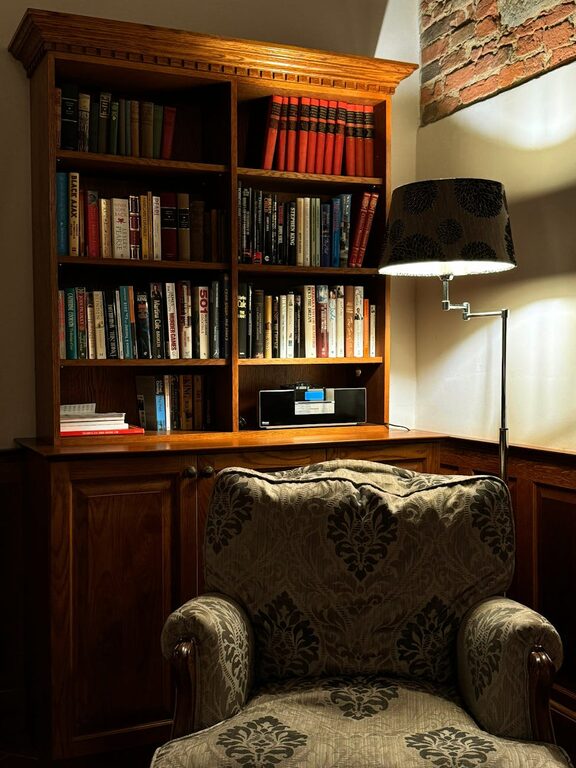
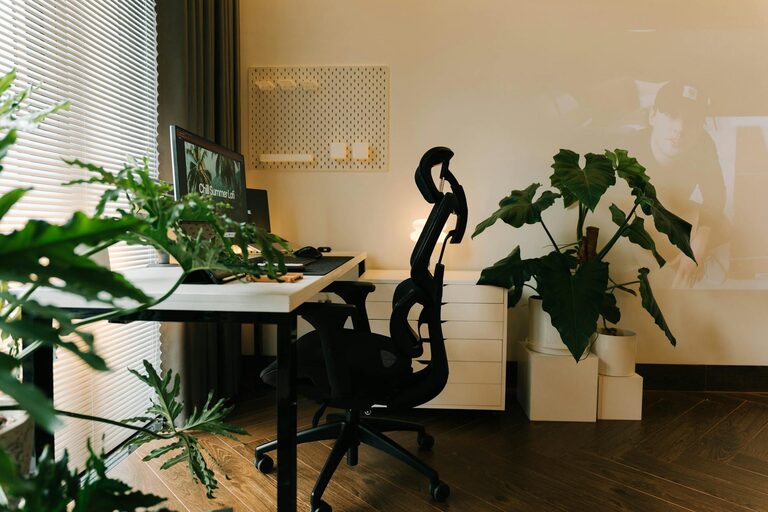
Creating a relaxing home office environment is essential for maintaining focus, reducing stress, and improving overall productivity. Whether you’re working remotely full-time or just need a quiet space for occasional tasks, designing a calm and comfortable workspace can make a world of difference. Here are some practical tips to help you create a home office that feels inviting, organized, and relaxing.
Choose the Right Location
Finding the perfect spot for your home office is the first step toward a peaceful work area. Ideally, select a space that is:
– Away from high-traffic or noisy parts of your home
– Well-lit with access to natural light
– Spacious enough to fit your essentials without feeling cramped
If a dedicated room is not available, consider a quiet corner with room dividers or screens to create separation from the rest of the living space.
Optimize Lighting for Comfort and Focus
Lighting plays a critical role in how comfortable and productive you feel while working. Natural light is best because it helps regulate your internal clock and reduces eye strain. Place your desk near a window if possible.
For cloudy days or nighttime work, invest in good quality desk lamps or overhead lights with adjustable brightness. Soft, warm white bulbs tend to create a more relaxing atmosphere, while cooler white bulbs can help keep you alert during intense tasks.
Choose Ergonomic and Comfortable Furniture
Spending hours at your desk calls for furniture that supports your body and encourages good posture. Key considerations include:
– An adjustable chair with lumbar support
– A desk at a height that allows your elbows to rest at a 90-degree angle
– A footrest if your feet don’t comfortably reach the floor
Comfortable seating and properly aligned equipment help reduce physical discomfort, which in turn creates a more relaxed working experience.
Declutter for Calmness
A cluttered workspace can lead to a cluttered mind. Keep your home office tidy by:
– Using organizers for papers, stationery, and cables
– Regularly sorting through items to discard or file unnecessary materials
– Maintaining a simple desk setup with only the essentials
Clear surfaces and orderly storage solutions foster a sense of control and tranquility.
Incorporate Soothing Colors and Decorations
The colors and decor in your workspace affect your mood. Soft, neutral tones like light blues, greens, or beiges can create a calming environment. Avoid overly bright or distracting patterns, especially on walls or large pieces of furniture.
Add personal touches that inspire you without causing visual noise. This could be a few framed photos, a small piece of artwork, or a decorative plant.
Bring Nature Indoors
Adding elements of nature can promote relaxation and creativity. Plants are particularly beneficial as they improve air quality and introduce a lively green color to your space.
Some easy-to-care-for options include succulents, snake plants, or pothos. Place them where you can see them from your desk to enjoy their calming effect throughout the day.
Manage Noise Levels
Unexpected or constant noise can be one of the biggest distractions at home. To create a peaceful environment:
– Use noise-canceling headphones or white noise machines
– Add rugs, curtains, or soft furnishings to reduce echoes
– Close doors or install soundproofing solutions if noise is a recurring problem
If possible, inform family members or roommates about your working hours so they can help maintain quiet during important tasks or meetings.
Set Up Technology Thoughtfully
Tech is essential for today’s home offices, but it can also contribute to stress if not organized well. To keep your setup relaxed:
– Use cable management tools to prevent tangling and clutter
– Position your monitor at eye level to avoid neck strain
– Adjust screen brightness and font sizes for comfort
Make sure your internet connection is reliable, and keep frequently used devices within arm’s reach.
Establish a Daily Routine with Breaks
A relaxing home office is not just about the physical space but also about how you use it. Establishing a daily routine helps create boundaries between work and relaxation:
– Start your day by tidying your workspace
– Schedule regular short breaks to stretch, hydrate, or step outside
– End your workday by shutting down electronics and clearing your desk
These habits help signal when it’s time to focus and when it’s time to unwind.
Use Aromatherapy or Calming Scents
Many people find that certain scents improve their mood and concentration. Consider using:
– Essential oil diffusers with lavender, peppermint, or eucalyptus
– Scented candles or incense (safely away from flammable materials)
– Fresh flowers that add fragrance naturally
Choose subtle aromas that you find soothing and avoid overpowering scents.
Final Thoughts
Creating a relaxing home office environment doesn’t require a complete renovation—it’s about making thoughtful choices that help you feel comfortable, organized, and focused. By optimizing your location, lighting, furniture, and decor, and by cultivating good habits, you can transform your workspace into a sanctuary that supports both productivity and well-being.
Remember, your home office is your personal retreat during work hours. Taking the time to create a space you enjoy will pay off with improved mood and output, making working from home a more pleasant experience.
About the Author