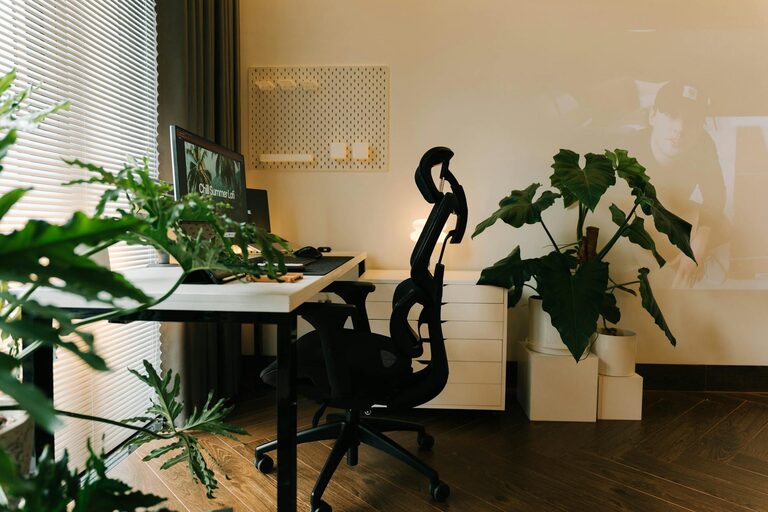

Creating a home office that balances coziness and productivity can make a significant difference in your workday. Whether you’re working remotely full-time or occasionally needing a quiet spot, a well-designed workspace can boost focus and make work more enjoyable. Here’s a comprehensive guide to help you set up a home office that feels welcoming and enhances your efficiency.
Choose the Right Location
Find a Quiet, Low-Traffic Area
Look for a space in your home that naturally minimizes distractions. This could be a spare room, a corner of your bedroom, or a section of the living room away from high-traffic paths. The goal is to create a physical boundary between your work zone and relaxation areas.
Consider Natural Light
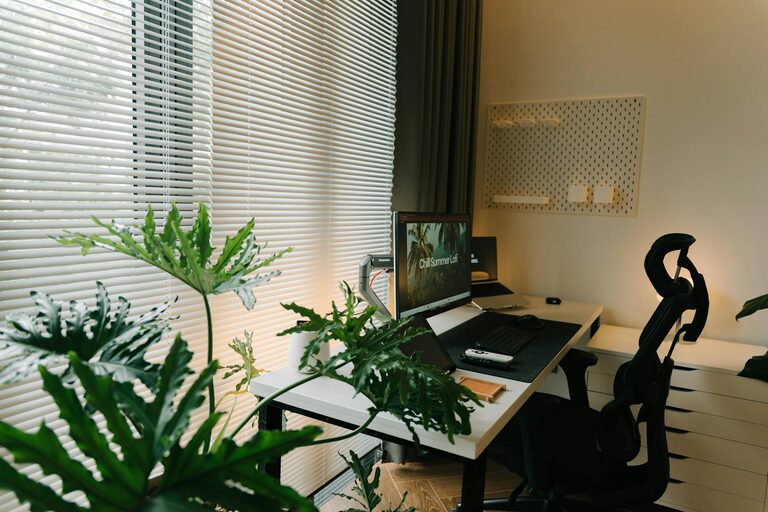
Natural light can improve mood and alertness. Position your desk near a window if possible, so you get plenty of daylight. If that’s not an option, make sure you have good artificial lighting that mimics natural daylight to reduce eye strain.
Invest in Comfortable and Functional Furniture
Choose an Ergonomic Chair
Comfortable seating is crucial. Invest in an ergonomic chair that supports your back and encourages good posture. Since you may be sitting for long periods, a chair with adjustable height and lumbar support helps prevent discomfort.
Select a Desk That Fits Your Needs
Your desk should offer enough space for your computer, paperwork, and other tools without feeling cramped. Consider desks with storage options or add small organizers to keep essentials within arm’s reach.
Keep the Space Organized and Clutter-Free
Use Storage Solutions
Shelves, filing cabinets, and desk organizers help keep your workspace tidy. Having a place for everything reduces stress and saves time searching for items.
Adopt Daily Clean-Up Habits
Spend a few minutes at the end of each day tidying up your desk. This simple routine creates a fresh, inviting workspace when you start the next day.
Personalize for Comfort and Inspiration
Add Personal Touches
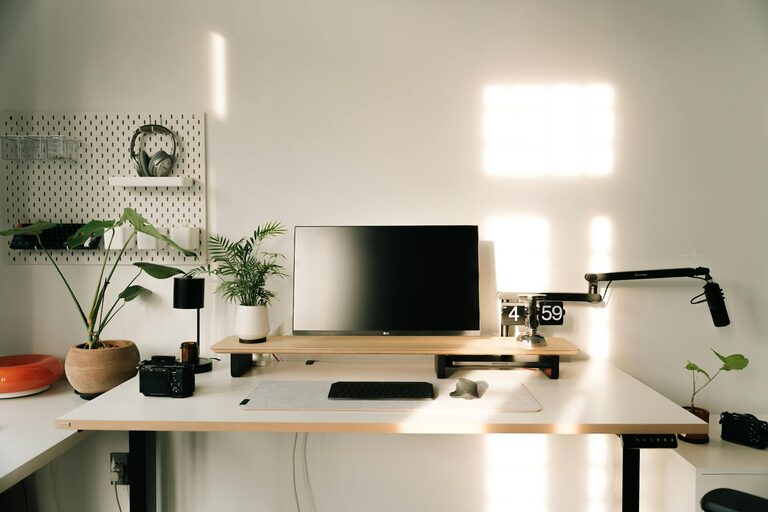
Decorate your office with items that inspire you, such as photos, artwork, or plants. Plants not only brighten up the space but also improve air quality and add a calming natural element.
Choose Soothing Colors
Soft, neutral tones can create a calming atmosphere. If you prefer bold colors, use them in small doses on accent walls or accessories to keep the space lively without overwhelming.
Set Up Technology Thoughtfully
Optimize Your Tech Setup
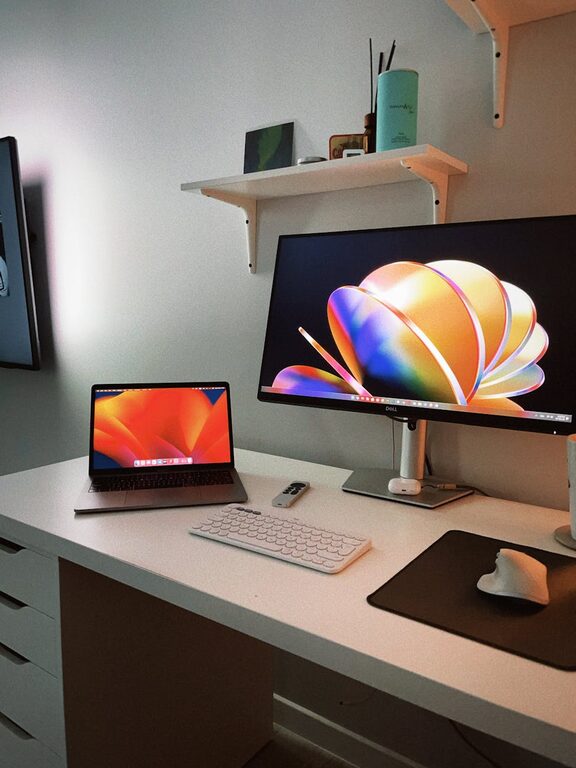
Make sure your computer, monitor, keyboard, and mouse are set up ergonomically. A monitor at eye level and a keyboard and mouse at a comfortable height prevent strain and fatigue.
Manage Cables and Chargers
Use cable organizers or clips to keep cords neat and prevent tangling. A clean setup is visually pleasing and safer.
Create Zones for Different Activities
Designate Areas for Work and Breaks
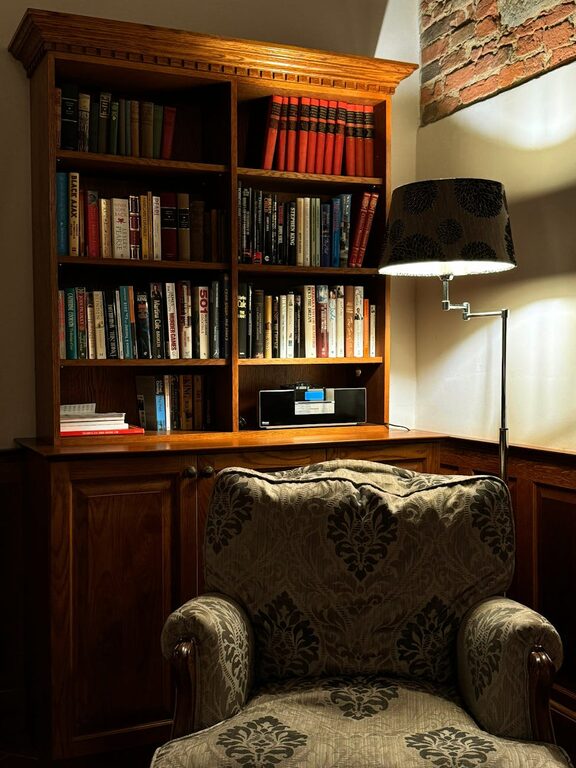
If possible, separate your work zone from an area where you can take breaks. Even a small corner with a comfortable chair or cushion can help you recharge during the day.
Include Space for Note-Taking or Creativity
Keep a notepad, whiteboard, or corkboard nearby for jotting down ideas or reminders. This supports productivity and keeps your thoughts organized.
Mind Your Environment
Control Temperature and Air Quality
Make sure your home office is well-ventilated and maintains a comfortable temperature. Using a fan, heater, or air purifier can help create a pleasant environment for working.
Minimize Noise Distractions
Use noise-canceling headphones or white noise machines if background noise is an issue. Alternatively, soft music or nature sounds can help some people focus better.
Establish Boundaries
Set Clear Work Hours
Define when your workday starts and ends to maintain a healthy work-life balance. Communicate these hours to household members if needed.
Avoid Using Your Workspace for Non-Work Activities
Keeping your office dedicated to professional tasks helps your brain associate the space with productivity and minimizes distractions.
Final Thoughts
Designing a cozy and productive home office space is about balance. By choosing the right location, investing in ergonomic furniture, staying organized, and personalizing your space, you can create an environment that supports focus and comfort. Remember to cater to your unique needs and preferences—after all, your workspace should work for you.
With these tips, setting up a home office that feels like a welcoming and efficient place to work doesn’t have to be complicated. Take your time, experiment, and enjoy the process of making a space that inspires you every day.
About the Author