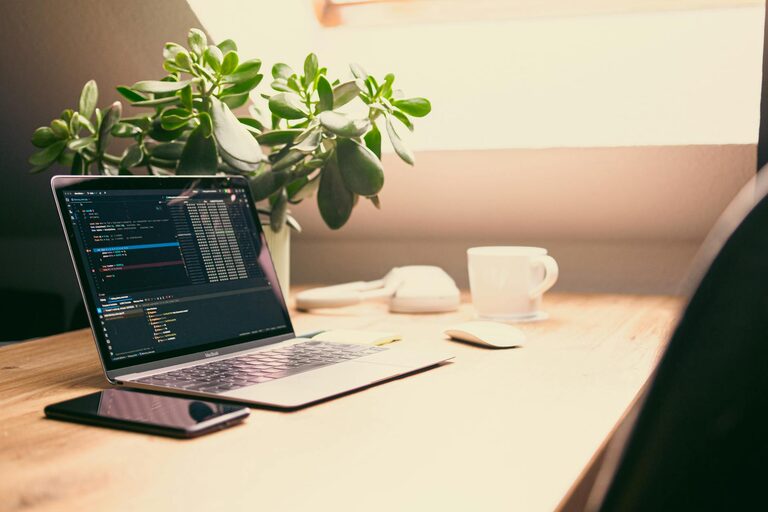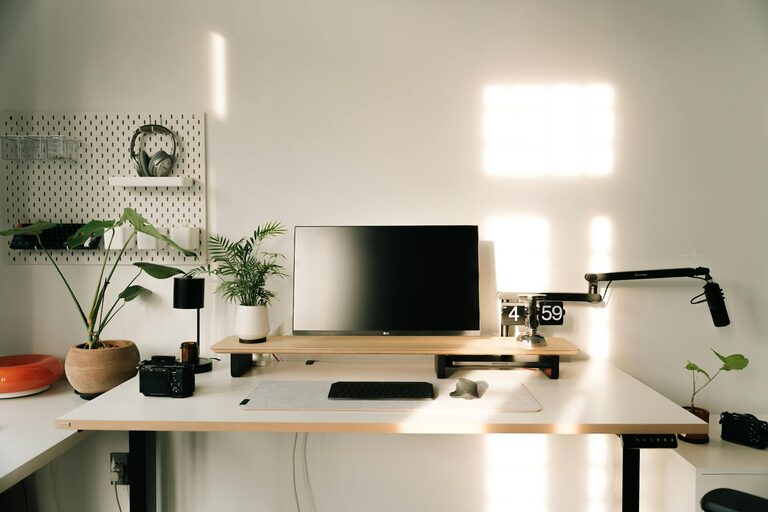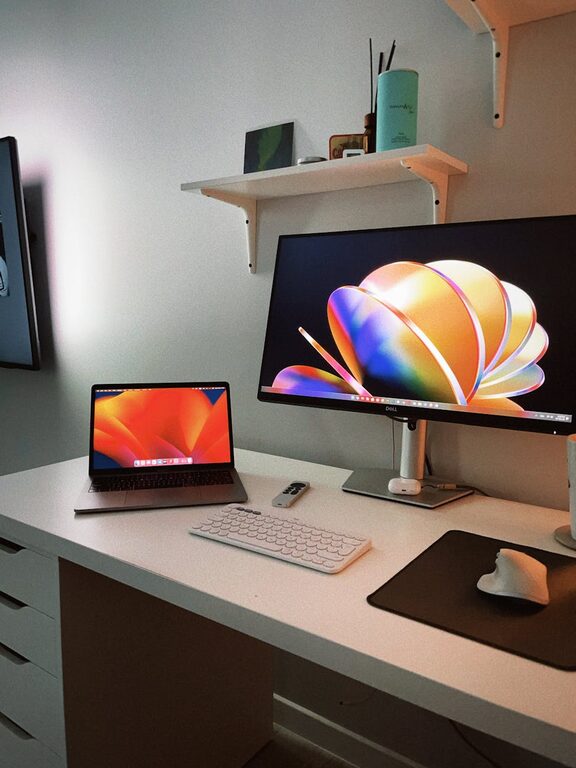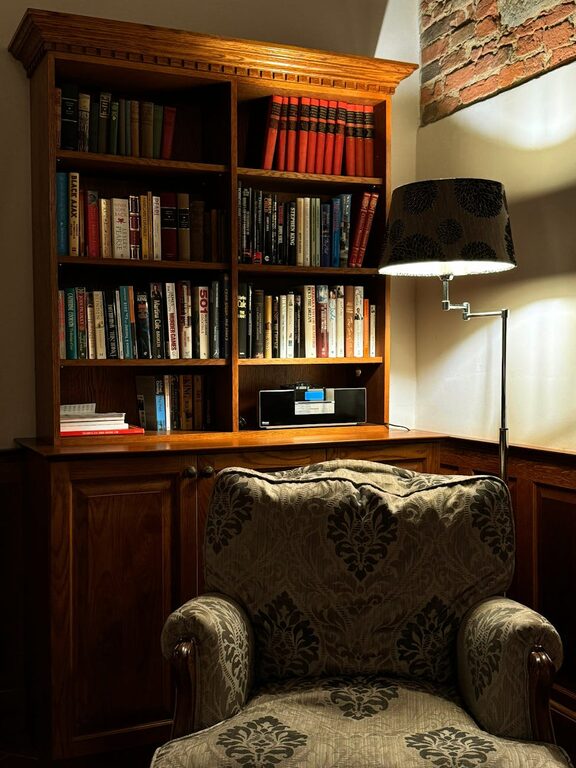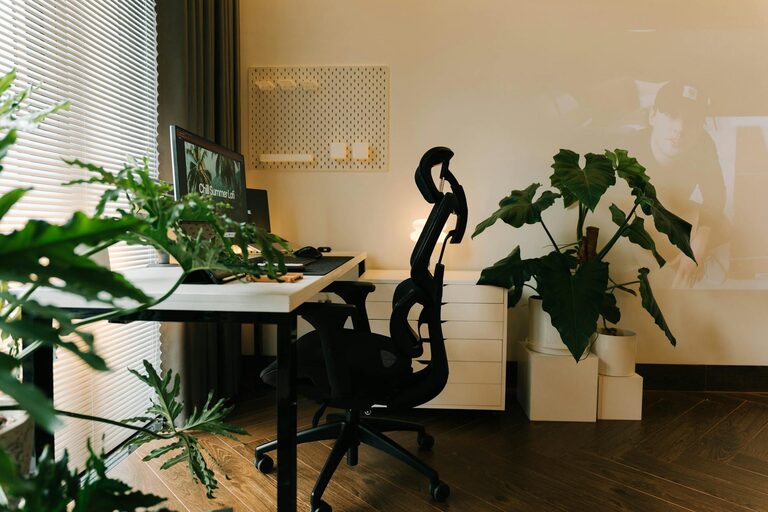
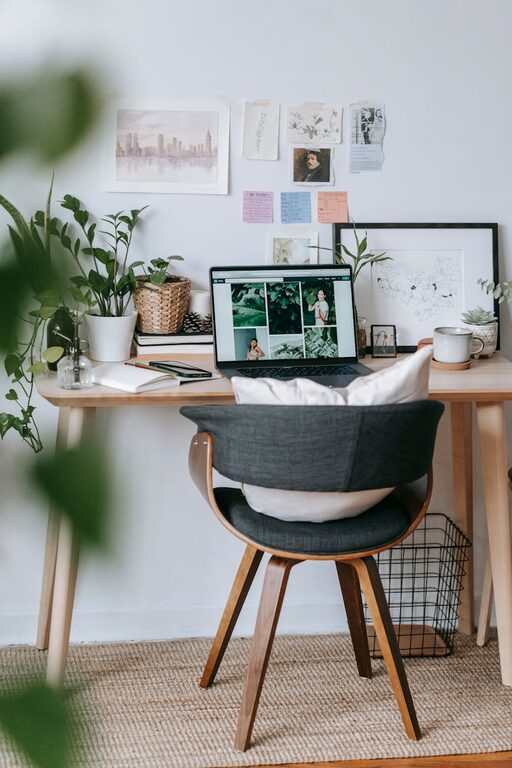
Creating an inviting and productive home office space is more important than ever as remote work and flexible schedules become common. A well-designed workspace can help you stay focused, motivated, and comfortable throughout your workday. Whether you’re working from a spare room, a corner of your living room, or a dedicated office, these tips will guide you in setting up an environment that supports your productivity and well-being.
Choose the Right Location
Selecting the ideal spot for your home office is the foundation of productivity. Consider these factors when picking your workspace:
– Natural Light: Try to position your desk near a window to benefit from natural light. It can improve your mood and reduce eye strain.
– Quietness: Find a low-traffic area where distractions are minimal.
– Space: Ensure there’s enough room for your essential equipment, and you can move comfortably.
If you don’t have a separate room, create a designated area with room dividers or shelving to visually separate your workspace from the rest of your home.
Invest in Comfortable and Functional Furniture
Comfort is key, especially if you spend long hours working at your desk.
– Ergonomic Chair: Choose an adjustable chair that supports your lower back, promotes good posture, and allows your feet to rest flat on the floor.
– Desk Size and Height: Your desk should be big enough for your computer, keyboard, and other materials you regularly use. Ideally, it should be at a height where your elbows are at a 90-degree angle while typing.
– Additional Furniture: Consider adding storage solutions like filing cabinets, shelves, or drawers to keep clutter off your desk.
Organize Your Workspace Efficiently
A tidy and organized workspace helps maintain focus and reduces stress.
– Declutter Regularly: Remove items you don’t need or use frequently.
– Use Storage Solutions: Containers, baskets, and drawer organizers can keep supplies in their place.
– Cable Management: Use clips or sleeves to manage cords and prevent tangling.
– Minimal Decor: Personal touches are great, but avoid overdecorating, which might distract you.
Optimize Lighting
Good lighting reduces eye strain and enhances concentration.
– Combine Lighting Types: Use a mix of natural light, overhead lighting, and task lighting.
– Desk Lamps: Adjustable desk lamps help focus light where you need it most.
– Avoid Glare: Position your screen to minimize glare from windows and lights.
Add Personal Touches for Inspiration
Your workspace should feel inviting and reflect your personality without becoming cluttered.
– Plants: Indoor plants add freshness and improve air quality.
– Artwork: Choose calming or motivating artwork that inspires you.
– Color: Use colors that encourage productivity – blues and greens are often recommended.
Use Technology Wisely
Equip your home office with the right technology to stay connected and efficient.
– Reliable Internet: A strong and stable internet connection is critical.
– Quality Headphones: Noise-canceling headphones can help you focus during calls or noisy environments.
– Accessories: Extra monitors, wireless keyboards, or mice can improve workflow.
Set Boundaries and Maintain Work-Life Balance
Your home office should support your work habits without blending too much into your personal life.
– Set Business Hours: Define clear start and end times for your workday.
– Take Breaks: Stretch or move away from your workspace regularly to avoid burnout.
– Physical Separation: Whenever possible, close the door or create a visual boundary between work and home life.
Maintain Daily and Weekly Routines
Establishing routines provides structure and helps ensure your home office remains organized and inviting.
– Daily Tidying: Spend 5-10 minutes at the end of each day clearing your desk.
– Weekly Planning: Review your agenda and organize tasks to reduce last-minute stress.
– Regular Equipment Checks: Ensure your technology and furniture remain in good condition.
Incorporate Wellness Features
Your home office should also promote physical and mental well-being.
– Adjustable Standing Desk: Alternate between sitting and standing to reduce fatigue.
– Air Quality: Use air purifiers or open windows to keep the environment fresh.
– Comfort Items: Keep water nearby, and consider using supportive cushions or footrests.
—
Creating an inviting and productive home office isn’t just about aesthetics; it’s about designing a space that supports your work habits, reduces distractions, and nurtures your well-being. By thoughtfully selecting your location, furniture, lighting, and organization tools, you can create a workspace where you look forward to spending time each day. Remember, your home office should be as unique as your work style—don’t hesitate to experiment and adjust until you find what works best for you.
About the Author