
Creating a productive home office environment is essential for anyone working remotely or running a business from home. A well-thought-out workspace helps improve focus, reduce distractions, and enhance overall efficiency. Whether you’re setting up a new home office or looking to optimize your current space, these tips can help you craft an environment that supports your best work.
Choose the Right Location
The first step in creating a productive home office is selecting the best spot in your home. Ideally, this should be a quiet area with minimal foot traffic to reduce interruptions.
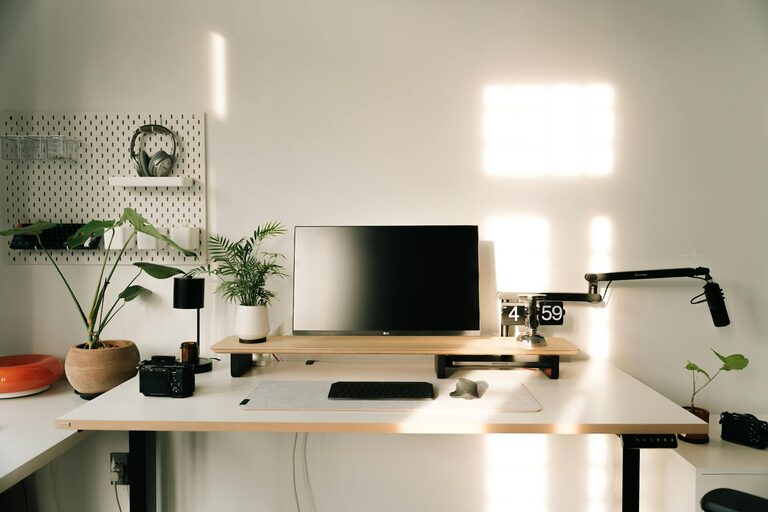
– Natural light: Opt for a space with plenty of natural light. Sunlight can uplift your mood and reduce eye strain.
– Away from distractions: Avoid spaces near televisions, kitchen noise, or busy household areas.
– Privacy: If possible, choose a room with a door to signal work time and boundaries to family or housemates.
Invest in Comfortable and Functional Furniture
Comfort affects productivity significantly. An uncomfortable chair or desk can lead to physical discomfort and distract from work.
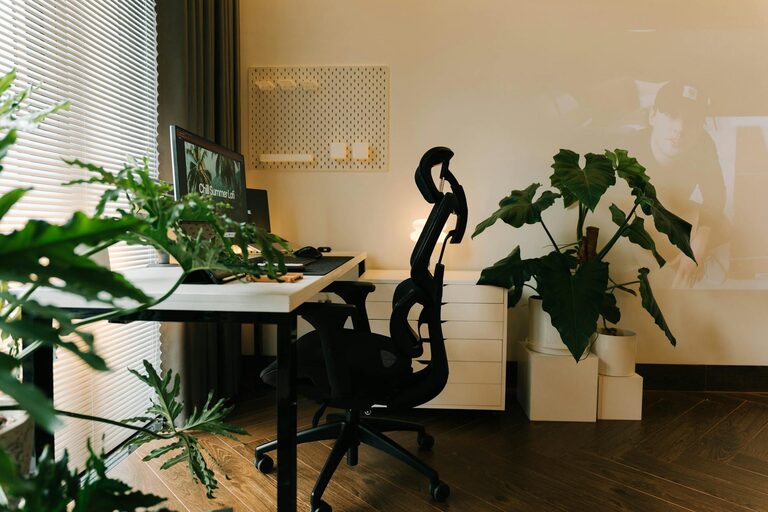
– Ergonomic chair: Select a chair with adjustable height, lumbar support, and cushioned seating.
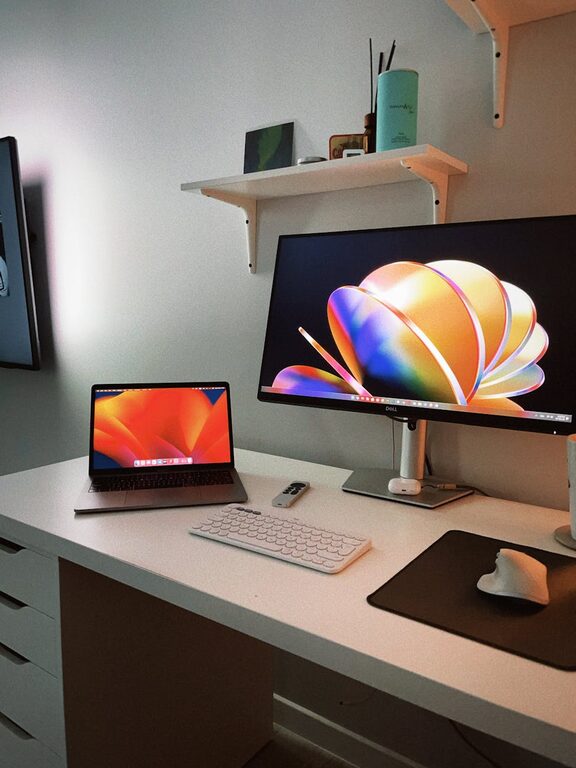
– Desk space: Make sure your desk is large enough to hold your essentials—computer, keyboard, notepad, and perhaps dual monitors.
– Standing option: Consider a sit-stand desk to vary your posture and prevent fatigue.
Optimize Lighting for Comfort and Focus
Good lighting reduces eye strain and helps maintain alertness.
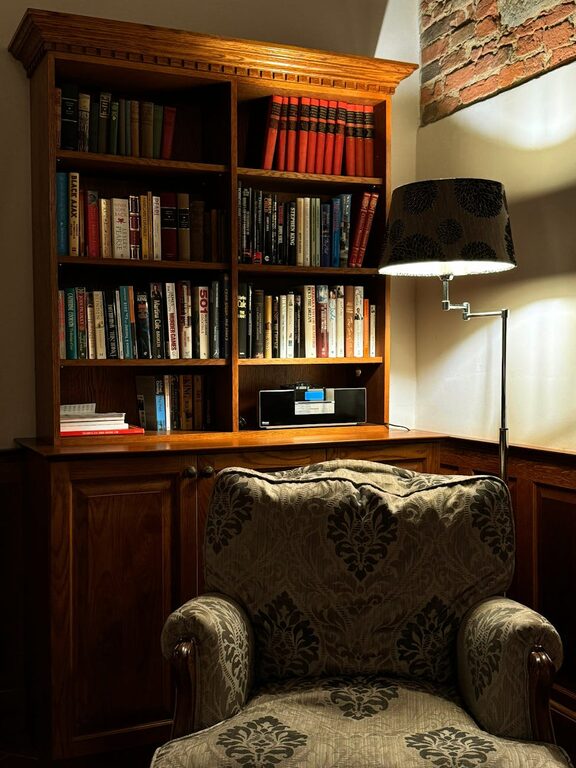
– Layer your lighting: Combine natural light, overhead ambient lights, and task lighting like a desk lamp.
– Avoid glare: Position your computer screen to avoid glare from windows or light fixtures.
– Use daylight bulbs: They offer a natural light spectrum that supports concentration and reduces tiredness.
Organize Your Space Efficiently
A cluttered workspace can hinder concentration and slow down work processes.
– Declutter regularly: Remove unnecessary items from your desk daily.
– Storage solutions: Use shelves, file organizers, or drawers to keep documents and supplies neat.
– Cable management: Use clips or cable covers to keep wires tidy and prevent tangling.
Establish Boundaries and Routines
Separating work time and personal time is vital, especially in a home setting.
– Set working hours: Maintain consistent start and end times to your workday.
– Create a morning routine: Whether it’s a coffee or a short walk, a routine signals the start of work.
– Use visual cues: Closing the door or turning on a desk lamp can indicate when you’re in “work mode.”
Minimize Distractions
Distractions reduce productivity and increase the time it takes to complete tasks.
– Turn off non-work notifications: Mute social media or other apps while working.
– Use headphones: They can help block ambient noise and improve focus.
– Communicate boundaries: Let family or housemates know your work schedule to minimize interruptions.
Personalize Your Workspace
A workspace that reflects your style can boost motivation and comfort.
– Add plants: Indoor plants can improve air quality and create a calming atmosphere.
– Decorate thoughtfully: Use artwork, photos, or inspirational quotes without overcrowding the space.
– Comfort items: A cozy blanket or a favorite mug can make the space inviting and pleasant.
Incorporate Technology Effectively
The right tools and technology help streamline your tasks.
– Reliable internet: Ensure your connection is stable to avoid interruptions during video calls or uploads.
– Quality peripherals: Invest in a good keyboard, mouse, and headset for comfort and efficiency.
– Backup solutions: Use cloud storage or external drives to protect important files.
Take Regular Breaks and Move
Staying productive means balancing focused work with rest.
– Follow the Pomodoro technique: Work for 25 minutes, then take a 5-minute break.
– Stretch or walk: Stand up and stretch or walk around briefly every hour to reduce stiffness.
– Eye exercises: Practice the 20-20-20 rule—every 20 minutes, look at something 20 feet away for 20 seconds.
Final Thoughts
Creating a productive home office environment is about combining comfort, organization, and focus-friendly habits. By setting up the right space, maintaining routines, and minimizing distractions, you can enhance your work experience and achieve better results while working from home. Start with small changes and adjust as needed to find what works best for you.
About the Author